


The grant from the ADF, the concessional arm of the African Development Bank, will provide fiscal budget support to finance the government’s national Covid-19 Emergency Preparedness and Response Plan, and Coronavirus Alleviation Programme.
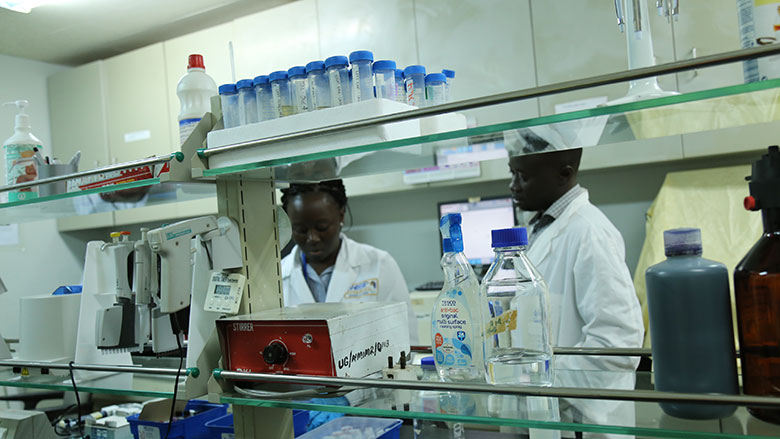
The funds will specifically help to upgrade the capacity of healthcare facilities to isolate, diagnose, and care for patients, and provide more test kits, pharmaceuticals, equipment as well as beds.
It will also ensure adequate personal protective equipment (PPE) for health workers and support financial incentives and an insurance package for health and allied professionals.
Ghana ranks fourth in Covid-19 infections in Africa after South Africa, Egypt, and Nigeria.
As of 24 July 2020, the West African nation has recorded about 33, 624 cases of the disease, with 29,801 recoveries and 168 death as of the Monday, July 27.
“Overall, the objective is to help contain the spread of the virus, expand testing and ease the impact of the virus on social and economic life, through measures aimed at protecting jobs, sustaining livelihoods and supporting small businesses,” said Marie-Laure Akin-Olugbade, the Bank’s Director-General for West Africa.
The ADF grant is a Crisis Response Budget Support operation, disbursal in a single tranche under the Bank’s $10 billion COVID-19 Response Facility. The grant aligns with one of the Bank’s High 5 priorities, namely to “Improve the quality of life for the people of Africa”.
Under Ghana’s Covid-19 response program, all affected persons will receive free treatment and free water supply.


Micro, Small, and Medium Enterprises (MSMEs) will benefit from a soft loan scheme with a one-year moratorium and two-year repayment period.
The private sector will also benefit from a tax freeze and refund, direct subsidies, and a guarantee fund, enabling businesses to access bank credit.


As elsewhere, the pandemic has slowed down economic activity in the agriculture, industrial and services sectors. The agriculture sector, in particular, will likely record a lower performance since the disease has coincided with the onset of Ghana’s farming season.
The economy of Ghana, which exports gold, cocoa, and oil, is negatively affected by a significant increase in public spending due to Covid-19.
Real GDP growth is projected at 2.1% in 2020 compared to 6.1% in 2019, while the current account deficit is forecast to widen to 3.6% compared to 3% in 2019, due to a decline in export earnings and lower tourism revenues and remittances.
The Covid-19 pandemic could also deepen inequalities between men and women, with far-reaching health, social, and economic implications, Bank officials noted.


