

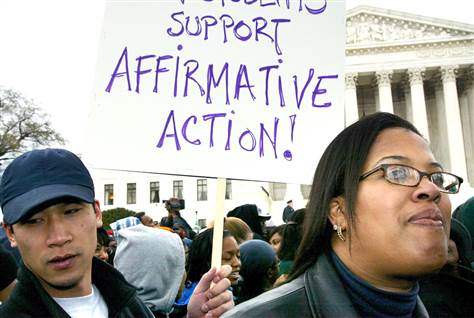
Affirmative action originally refers to a set of policies and practices preventing discrimination based on race, creed, color, and national origins, now often refer To policies positively supporting members of disadvantaged or underrepresented groups that have previously suffered discrimination in areas such as education, employment, and housing.


Some countries use a quota system, whereby a certain percentage of government jobs, political positions, and school vacancies must be reserved for members of a certain group; an example of this is the reservation system in India.


Ghana has signed on to various protocols and conventions to ensure women’s equal participation in decision-making spaces. Ghana is a signatory to the Convention on the Elimination of All Forms of Discrimination Against Women (CEDAW) which provides that, Parties must take all appropriate measures to eliminate discrimination against women in the political and public life of the country.
The Beijing Declaration also calls on member states to ensure equal participation of women and men in decision-making. The Sustainable Development Goals (SDGs) also state that gender equality is not only a fundamental human right but a necessary foundation for a peaceful, prosperous, and sustainable world.


The 1992 Constitution of Ghana, in Article 35(6) states that “the State shall take appropriate measures to achieve reasonable gender balance in the recruitment and appointment to public offices.” Article 17 adds that no citizen shall be discriminated against on the basis of gender, race, or religion. These provisions, therefore, mandate Ghana to ensure women’s active participation in governance and decision making spaces.
The affirmative action bill when passed to law will enable both men, women, and the less privileged have access to equal rights for a better and peaceful society for us all…


Join our growing community by contacting us for features and adverts. info@livingavenuegh.com


