Home Blog Page 24

Lt. General J.H. Smith passes on

0

Lt. General J.H. Smith was a minister under the John Evans Atta Mills administration. According to reports, he died after a short illness.

He served as the Army Commander of the Ghana Armed Forces and a Minister of Defence. He was also Ghana’s Ambassador to the USA under the administration of John Mahama.

His family confirmed to the media that he died on the morning of Tuesday, December 19.

More than 9,000 teachers fail 2023 licensure exams

0

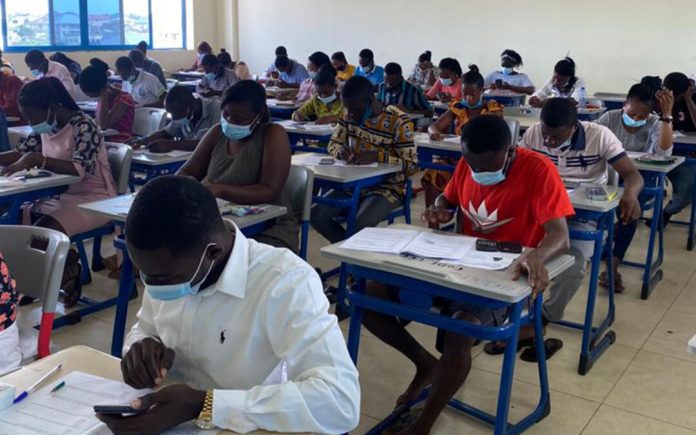
A total of nine thousand, five hundred fifty-six (9,556) teachers who sat for the 2023 edition of the Ghana Teacher Licensure Examination (GTLE) have failed.

That represents 47.4 percent of failed teachers.

The number of teachers who passed the 2023 examination is 10,625, representing 52.6 percent.

This was detailed in a release signed by the Public Relations Officer for the National Teaching Council (NTC), Dennis Osei-Owusu, in Accra and copied

In total, 20,181 candidates sat for the examination.

Find details below:

Press-Release-2023-Ghana-Teacher-Licensure-Examination

ALL YOU NEED TO KNOW ABOUT HIGH BLOOD PRESSURE

0

High blood pressure, also known as hypertension, is a common medical condition characterized by the force of blood against the walls of the arteries being consistently too high. Blood pressure is measured in millimeters of mercury (mmHg) and is recorded with two numbers: systolic pressure over diastolic pressure. The systolic pressure represents the force when the heart beats, while the diastolic pressure represents the force when the heart is at rest between beats.


Here are some key points about high blood pressure:

Normal Blood Pressure Range:

Normal: Less than 120/80 mmHg

Elevated: 120-129/<80 mmHg

Hypertension Stage 1: 130-139/80-89 mmHg

Hypertension Stage 2: 140 or higher/90 or higher mmHg


Causes:

  • Primary Hypertension: The exact cause is unknown but is often linked to factors such as age, genetics, and lifestyle choices.
  • Secondary Hypertension: Caused by an underlying condition such as kidney disease, hormonal disorders, or certain medications.


Risk Factors:

  • Age: Risk increases with age.
  • Family history: If your parents or close relatives had/have hypertension.
  • Race: African Americans are at higher risk.
  • Obesity: Being overweight increases the risk.
  • Lack of physical activity, excessive salt intake, and excessive alcohol consumption are also risk factors.


Complications:

  • Chronic high blood pressure can lead to serious health problems, including heart disease, stroke, kidney disease, and eye issues.


Symptoms:

  • Hypertension is often called the “silent killer” because it may not cause noticeable symptoms until it has reached a severe or life-threatening stage.
  • Headaches, shortness of breath, nosebleeds, and dizziness can occur, but these are not specific to high blood pressure and can be caused by other factors.


Diagnosis:

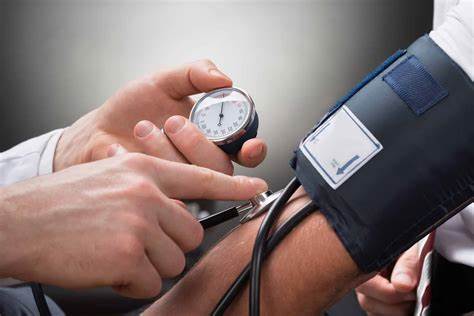
  • Blood pressure is measured using a sphygmomanometer, and diagnosis is based on multiple readings taken on different occasions.


Treatment:

  • Lifestyle changes: These include maintaining a healthy diet (low in salt, rich in fruits and vegetables), regular exercise, maintaining a healthy weight, limiting alcohol intake, and quitting smoking.
  • Medications: If lifestyle changes are not sufficient, various classes of medications can help lower blood pressure.


Prevention:

  • Adopting a healthy lifestyle from a young age can significantly reduce the risk of developing hypertension.
  • Regular check-ups are important for monitoring blood pressure and identifying any potential issues early on.


Monitoring:

  • Regular blood pressure monitoring is crucial, especially for individuals with hypertension or those at risk.

It’s important to consult with a healthcare professional for personalized advice and treatment based on individual health conditions. High blood pressure management often involves a combination of lifestyle changes and, in some cases, medication.


THE IMPORTANCE OF DRINKING WATER REGULARLY

0

Drinking water regularly is crucial for maintaining good health and well-being. Water is essential for various physiological functions in the human body, and its importance cannot be overstated. Here are some key reasons why drinking water regularly is important:


Hydration:

Water is essential for maintaining proper hydration levels in the body. Adequate hydration is necessary for the functioning of every cell, tissue, and organ.


Nutrient Transport:

Water plays a crucial role in transporting nutrients, oxygen, and minerals to cells. It helps in the absorption of nutrients from the digestive system and their distribution throughout the body.


Temperature Regulation:

The body uses sweating as a mechanism to regulate temperature. Water helps in the cooling process through sweat evaporation, preventing overheating and maintaining a stable body temperature.


Joint Lubrication:

Water is a component of synovial fluid, which lubricates joints and reduces friction between bones. Proper hydration can contribute to joint health and reduce the risk of joint-related issues.


Digestive Health:

Water aids in digestion by facilitating the breakdown of food and the absorption of nutrients. It also helps prevent constipation by keeping the digestive system functioning smoothly.


Detoxification:

Water is a key component in the body’s natural detoxification processes. It helps flush out waste products and toxins through urine, sweat, and other bodily fluids.


Cognitive Function:

Dehydration can negatively impact cognitive function, including concentration, alertness, and short-term memory. Drinking enough water can help maintain optimal brain function.


Skin Health:

Proper hydration contributes to healthy skin by maintaining elasticity and promoting a radiant complexion. Dehydration can lead to dry skin, premature aging, and other skin issues.


Weight Management:

Drinking water before meals can help reduce appetite and promote a feeling of fullness, potentially aiding in weight management. Additionally, sometimes the body can confuse thirst with hunger.


Heart Health:

Staying well-hydrated supports the cardiovascular system by maintaining blood volume and preventing the blood from becoming too thick. This, in turn, helps maintain healthy blood pressure.


Kidney Function:

Water is crucial for proper kidney function. It helps the kidneys filter waste and toxins from the blood, producing urine for their excretion.


It’s important to note that individual water needs vary based on factors such as age, weight, activity level, and climate. The general recommendation is to drink at least eight 8-ounce glasses of water per day, but some individuals may require more. Paying attention to your body’s signals and ensuring regular water intake is a simple yet effective way to support overall health.

HEALTH BENEFITS OF GARLIC

0

Garlic has been recognized for its potential health benefits for centuries and is often considered a superfood. While individual responses may vary, here are some commonly reported health benefits associated with garlic:

Cardiovascular Health:

Garlic may help lower blood pressure by promoting the widening of blood vessels.

It may reduce cholesterol levels, particularly LDL cholesterol (the “bad” cholesterol).


Antioxidant Properties:

Garlic contains antioxidants that help combat oxidative stress and reduce the risk of chronic diseases.


Anti-Inflammatory Effects:

Allicin, a compound found in garlic, has anti-inflammatory properties that may help reduce inflammation in the body.


Immune System Support:

Garlic has been traditionally used to support the immune system and may help the body fight off infections.


Antibacterial and Antiviral Properties:

Garlic has natural antibacterial and antiviral properties that may contribute to fighting infections.


Cancer Prevention:

Some studies suggest that garlic consumption may be associated with a reduced risk of certain cancers, especially those of the digestive system.


Improved Circulation:

Garlic may promote better blood circulation by preventing the formation of blood clots.


Regulation of Blood Sugar:

Some research indicates that garlic may have a positive impact on blood sugar levels and could be beneficial for individuals with diabetes.


Detoxification:

Garlic may assist in detoxifying the body by enhancing the activity of detoxification enzymes.


Improved Bone Health:

Garlic contains certain compounds that may help maintain bone health and prevent the loss of bone density.


Respiratory Health:

Garlic has been used traditionally to alleviate respiratory conditions, and it may have benefits for respiratory health.


It’s important to note that while garlic can be a valuable addition to a healthy diet, it’s not a cure-all, and its benefits may vary among individuals. Additionally, excessive consumption of garlic may lead to side effects for some people, such as digestive issues or allergic reactions. As with any dietary changes or supplements, it’s advisable to consult with a healthcare professional for personalized advice, especially if you have existing health conditions or are taking medications

Madagascar: public protests banned ahead of presidential election

0

Madagascar’s government has banned public protests as concerns about the stifling of dissent grow seven months before the presidential election, Radio France International (RFI) reports.

French-owned RFI said on Monday that the minister of interior announced on state TV that no political protests would be allowed in public but they could be held in “an enclosed place” so public order could be maintained.

The announcement was made on Friday. A day earlier, the La Gazette de la Grande newspaper said its offices were raided after the arrest of its owner Lola Rasoamaharo, RFI reported.

Rasoamaharo has been charged with defamation and extortion, RFI said.

Critics of the government said the protest ban and Rasoamaharo’s arrest are examples of recent crackdowns on dissent in the island nation of 29 million people ahead of the first round of presidential voting in November.

President Andry Rajoelina is expected to seek re-election.

“Today we are moving towards dictatorship,” said Hajo Andrianainarivelo, leader of the opposition Malagasy MMM party and a former cabinet minister.

In 2022, Madagascar was ranked 98 out of 180 countries by Reporters Without Borders in its press freedom index.

In July, two opposition leaders were arrested when hundreds of people protested in the capital, Antananarivo, against rising living costs and deteriorating economic conditions.

Weeks later, 18 people were killed when police opened fire on what they called a lynch mob angered at the kidnapping of a child with albinism in the southeastern part of the country.

In recent months, Madagascar has also faced devastating cyclones that have further added to the economic hardship in one of the poorest nations in the world.

More than two dozen Malagasy died and tens of thousands were left homeless when Cyclone Cheneso ripped along the island’s western coast in January. Two months later, Cyclone Freddy tore through Malawi, Mozambique and Madagascar, killing more than 220 people and displacing almost 60,000.

KNUST Student dies due to Kidney failure

0

A final-year student of the Kwame Nkrumah University of Science and Technology (KNUST), Edmond Asirifi Marfo, has sadly died due to kidney failure.

Edmond died at only 22 years of age from the deadly ailment after seeking alternative treatment for his condition.

According to reports, the Level 400 Business student started experiencing blurred vision in March and visited the hospital where he was found with a high BP of over 200.

Further checks found both kidneys had failed. He reportedly attempted treating himself with natural herbs and alternative medicine but time wasn’t on his side as he passed away.

His death has come as a shock to the KNUST community, with Edmond having been described as “a promising young student who had dedicated himself to his studies and was well-regarded by his peers and faculty members,”

Police Officer drowns in abandoned Asanko Mine pit

0

A Police officer with the Ashanti South Police Command is confirmed dead after falling into an abandoned mine at Asanko Gold Ghana Ltd operational Jurisdiction in the Amansie district of the region.

The unfortunate incident according to close sources among the management of the large scale mining firm occurred on Monday 3rd April 2023.

The officer, according to a police source, was among a team of police personnel deployed to offer protection to the Asanko mining firm but unfortunately fell into a deep pit covered with stagnant water.

Management of the Manso based Asanko mining firm in collaboration with the Ashanti regional police command will soon issue detailed information on the demise of the police officer on duty.

BANTAMA: Rooms razed down by fire

0

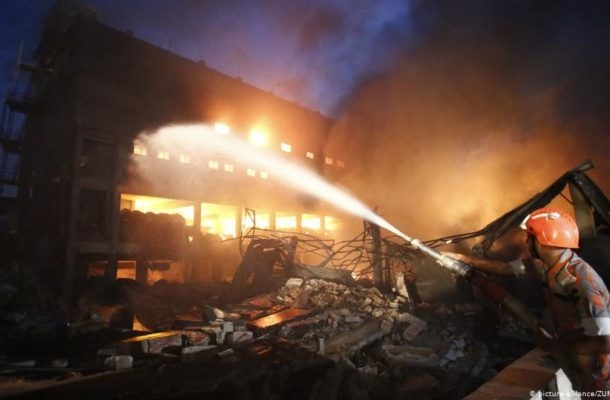
Properties worth thousands of Ghana Cedis have been lost in a fire at Bantama in the Kumasi Metropolis of the Ashanti Region.

The fire is reported to have occurred at about midnight on Sunday, 2nd April 2023.

The fire razed five rooms on the first floor of the storey building.

According to the landlady of the house, Madam Alice Addai Kusi, she was asleep, and she was woken up suddenly by screams for help.

“I was sleeping when I heard someone shouting and saying the occupants of this house should wake up”.

“So I woke up and realised the fire had engulfed the place. One of my children drove to alert the fire service,” Madam Kusi explained.

She said, “When they [firefighters] arrived, the fire had spread.”

The Fire Operations Officer at the Komfo Anokye Fire station, ADOII Ben Aidoo Taylor, explained the situation.

“We had the information through our divisional control that fire had broken out in one of the buildings at Bantama High Street, and the vehicle moved straight to the place and found out that fire had indeed engulfed the second flat.”

He further noted that they were able to put out the fire.

ADOII Taylor, however, indicated that the cause of the fire is still under investigation and reports of the investigation will be revealed to the public when it is ready.

Meanwhile, the Kejetia Market in Kumasi was up in flames late afternoon of March 15, 2023.

The market, one of the largest and busiest in the West Africa sub-region, fell victim to the spate of market fires that have beset Ghana in the past few years.

Catholic priest burned to death

0

A Catholic priest, Reverend Father Isaac Achi, has been burned to death in his residence at Kafin Koro, Paikoro Local Government Area of Niger State.

The late Rev Father Achi, until his death, was the Kafin Koro Deanery of the Minna Diocese of Niger state and the Reverend Father in charge of St. Peter’s and Paul Catholic Kafin Koro.

According to a source close to Kafin Koro, the gunmen in their numbers stormed the uphill residence of the deceased Rev. Father which is about one Kilometer from the main town around 1:00 am and surrounded his house.

After about an hour of fruitless effort to force their way into the house, the gunmen were said to have poured Petroleum Motor Spirit (PMS) popularly refers to as petrol around the house before setting it ablaze.

His assistant, whose name was given as Rev Father Collins, was shut on his leg while trying to escape from the fire and he is currently receiving treatment at an undisclosed medical fertility in Minna, the state capital.

It was gathered that while the gunmen were trying to get access into the house, the deceased, according to our source, put a distress call to a family member who alerted the Divisional Police Office in charge of Kafin Koro Division but the gunmen were said to have outnumbered the police.

It was further gathered that the gunmen, after setting the building on fire, waited until it was razed down to ashes with the late Reverend Father inside before taking their leave without any challenge.

Meanwhile, the state Police Command was yet to issue a statement on the incident, but the Commissioner for Internal Security and Humanitarian Affairs, Mr Emmanuel Umar, confirmed the murder of the Catholic Priest but said the security agents have been mobilised to the area.

It could be recalled that the late Reverend Father Isaac Achi, a native of Kafin Koro, survived the December 2011 bombing of Saint Theresa Catholic Church, Madella in the Suleja local government area of the state.

Two years later in 2013, the late Reverend Father escaped another kidnap attempt when the gunmen invaded his residence.